Home Improvement

Cabinet Refinishing – A Cost-Effective Alternative to Replacing Cabinets

Cabinet Refinishing allows homeowners to update their kitchens without the cost, hassle, and environmental footprint of replacement. However, this renovation method requires careful planning and proper maintenance to achieve the desired aesthetic.

Cabinet Refinishing

Proper maintenance involves regular inspections for damage and cleaning with a non-toxic cleaner that is safe for wood surfaces. Lighting also plays a role in how paint and stain colors look, so viewing samples at different times of day is recommended.

Cabinet refinishing is a cost-effective and less time-consuming alternative to replacing cabinets. However, there are some things to consider before deciding on this option. First, it’s important to assess the condition of your cabinets. If they are in good shape and you simply want to update their aesthetic, refinishing may be the right choice. If, on the other hand, your cabinets are damaged or outdated, refacing may be more appropriate.

The cabinet refinishing process begins with cleaning the surfaces to remove any dirt, grease or grime that has built up. Once the cabinets are clean, they are lightly sanded down to prepare them for a new finish. This step is particularly important if the existing cabinets have a rough surface.

Once the cabinets are prepared, they can be stained or painted. It is recommended to choose a stain that matches or complements the surrounding decor of your home. Then, once the stain has dried, a sealant can be applied to protect the surface against wear and tear.

When refinishing cabinets, it is also important to inspect them regularly for signs of damage or deterioration. This will help to extend the life of your cabinets and ensure they look great for as long as possible.

If you notice any problems, such as chips or scratches, it is recommended to repair them promptly. This will prevent the damage from worsening and may even save you from having to replace your cabinets completely.

Another thing to keep in mind is that cabinet refinishing requires working with chemicals and tools that can be harmful if not handled properly. For this reason, it’s best to leave the refinishing process to professionals who know how to work safely and understand the risks involved.

Before you can refinish your kitchen cabinets, you’ll need to remove all hardware, including knobs and handles, from the cabinets. Make sure to label each piece so that you can easily reinstall them once the refinishing is finished. It’s also a good idea to take this opportunity to fix any holes or cracks in the cabinets.

Staining

Cabinet refinishing is an option that allows you to change your cabinets’ appearance without the cost of replacing them. This process typically involves removing the existing finish through chemical stripping and then sanding before applying new stain. A clear sealant is then applied to protect the new finish and enhance its durability. This method is ideal for those who are happy with the style of their cabinets but need to freshen up the color.

Before starting the staining process, it’s important to thoroughly clean your cabinet surfaces. Use a mild cleaner formulated for wood and a soft cloth or sponge to wipe away any dirt, grime, or grease buildup on the surface of your cabinetry. Once the cabinet surfaces are clean, it’s also a good idea to remove any hardware from the cabinet doors and drawer fronts. This will ensure that the stain or paint doesn’t get on your knobs, handles, and pulls during the finishing process. Make sure to label each piece of hardware and store them in a safe place so they can be reinstalled later.

Choosing the right stain for your cabinets is crucial to creating the look you’re after. The type of wood and desired color will determine which stain is best for your project. A light stain will highlight the natural grain of oak cabinets, while a darker stain will create an antique look on pine.

When it comes to applying the stain, be sure to follow the manufacturer’s instructions. Generally, a thin coat of stain is preferred. Avoid over-staining as this can cause blotching and unevenness. It’s also helpful to apply the stain in even sections. Start with the cabinet door and drawer front bevels, then move onto flat sections such as the center of the panels and the back of the cabinets. Always apply the stain in the direction of the wood grain.

Once the stain has dried, it’s time to reinstall the cabinet hardware and doors. Once the stain has fully cured, it’s a good idea to apply a coat of polyurethane or another clear sealant to protect and enhance the durability of your cabinets.

Painting

Cabinet painting, sometimes called repainting, is the process of applying a new coat of paint to existing cabinets. It’s a more affordable option than replacing them, but it requires careful preparation and attention to detail to achieve a professional-looking result.

If your cabinets are in good condition and the style is right, refinishing is an excellent choice. Refinishing your cabinets is the fastest and most cost-effective way to update their appearance.

When refinishing your cabinets, the first step is to prep the surfaces for painting. This includes sanding all surfaces to make sure the paint will adhere and cleaning the entire surface with warm water and mild soap to remove grease, dirt, and grime. It’s important to allow the surfaces to dry completely before starting the painting process.

After the sanding and cleaning processes, you’ll apply a primer layer. This will help the cabinet paint adhere to the surface and prevent future chipping or peeling. The type of primer you use depends on the surface. For example, if you’re using a moisture-prone surface like a kitchen, you might need a mildew-resistant primer.

Once the primer is dry, you can begin to paint your cabinets. The best way to ensure a smooth finish is to roll on thin layers with a flock foam mini roller, which will leave minimal brush marks. It’s also a good idea to wait at least 3-4 hours between coats to let the paint dry completely.

During the painting process, it’s important to keep your work area clean and organized. This will help you avoid making a mess and will also ensure that you’re able to find the matching cabinet door when it comes time to reinstall them. It’s also a good idea that you label all of your cabinet doors so you can easily reinstall them in the proper order.

After the final coat of paint has dried, you can reinstall your cabinet doors and hardware. Be sure to clean the hardware afterward with a soft cloth and mild soap, and to store it in a safe place to prevent corrosion.

Finishing

Cabinet refinishing is the ideal solution to modernize your kitchen without spending a fortune on new cabinets. It’s also an environmentally friendly option, reducing waste and contributing to sustainability efforts. Additionally, high-quality finishes can increase the durability of your cabinets, preventing scratches, dents, and moisture damage.

The process of refinishing involves sanding the cabinet surfaces to remove existing coatings and prepare the surface for paint or stain. Sanding is critical to ensuring the finished product will look professional and last longer. Using a fine-grit sandpaper will help achieve the desired results. Be sure to sand with the grain of the wood to avoid damaging the surface. After sanding, wipe the cabinet surfaces down with a damp rag to remove any dust and debris.

When refinishing your cabinets, be sure to wear gloves to protect your hands from the rough material and chemical-based cleaners. It’s also important to work in a well-ventilated area to avoid breathing in harmful fumes. Using fans to promote airflow and open windows can help prevent the build-up of dangerous fumes.

Applying the new finish is a labor-intensive process. It requires consistent stirring of the product, as well as careful handling to ensure a smooth application. It’s also a good idea to test the color and texture of your new finish on an inconspicuous spot before applying it to your entire cabinet.

Once the new finish is applied, allow it to dry completely before reattaching hardware and reassembling the cabinets. It’s important to take your time during this step, as it will influence the quality of the finished product. Be sure to follow the product’s guidelines for drying times.

The refinishing process is a great way to transform your kitchen, but it’s important to choose the right materials and consult professionals for help with the process. At Furniture Medic, our team has the experience necessary to get your project started and ensure beautiful results that last. We’ll help you find the perfect color to complement your kitchen, and then use the proper tools to complete the job in a timely manner.
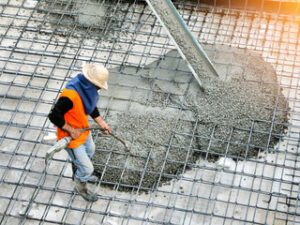
Concrete Contractors

What Is Concrete?

Concrete is a composite material made by mixing binding materials (cement or lime), aggregates, water and other admixtures in specific proportions. The result is an artificial stone-like mass which is strong and durable.

Concrete

When working with concrete, the weather and climate will have a big impact on the workability of the product. For instance, freezing weather can cause displacement of the concrete pad unless steps are taken to protect it, like adding sheet foam or using heat blankets. Read on Concrete Greensboro NC for more information.

Concrete is well known for its strength and durability, making it an excellent choice for building and maintaining load-bearing structures. Its ability to withstand heavy loads and extreme weather conditions also makes it ideal for use in roads and bridges.

The most significant property of concrete is its compressive strength, which is measured in pounds per square inch (psi) or kilograms per square centimeter. This measure of strength is determined by measuring the force required to crush a cylindrical sample of concrete with a specified radius of curvature.

When preparing a mix design for a project, the engineer will typically refer to test results or trial data to ensure that the proper proportions of cement, sand and coarse aggregate are used. The engineer may also choose to add other admixtures for workability and other properties that aren’t related to strength. These include air-entraining agents and corrosion inhibitors as well as coloring and surface finish additives.

In addition to the above materials, the mix must have an appropriate water content for adequate hydration. The hydration reaction is key to the development of concrete strength. If the mix is too dry, the hydration process will cease and the concrete will remain in its plastic state with little or no strength gain. If the mix is too wet, the hydration will accelerate and the concrete will harden too rapidly.

When mixed properly, the concrete’s fine and coarse aggregates bind together with a cement paste to create rock solid concrete. This binding is accomplished by a hydration reaction that takes place in the pores of the aggregates and in the surface of the cement particles. This is what gives concrete its distinctive texture as well as its strength.

Concrete’s tensile strength is less impressive than its compressive strength, but it’s still strong enough to handle shear forces and bending stresses. For increased tensile strength, engineers sometimes add steel reinforcement bars to concrete mixes.

For projects that require a high level of workability, the engineer may add a plasticizing admixture to the mix. These admixtures are designed to reduce the tendency of cement particles to bind together in clumps and thus escape complete hydration. Fly ash and silica fume are two common admixtures that serve this purpose. More recently, superplasticizers have been developed to allow higher-strength concrete to be produced with less water.

Durability

Concrete is durable and can withstand a great deal of pressure, which makes it ideal for use in heavy structures such as roads and bridges. Its impressive strength and durability have also made it a vital construction material for buildings, skyscrapers and other load-bearing structures. Concrete can also withstand the compression of heavy loads and, when used with reinforcement bars or meshes, it can resist bending and cracking. The durability of concrete is enhanced by proper curing, in which the conditions of the environment are controlled to ensure the material achieves its optimal properties and strength.

The concrete’s impermeability and resistance to corrosion have also made it a popular construction material for water-related projects, such as dams, canals and reservoirs. It can also be used to construct structures that are constantly exposed to seawater, including jetties, breakwaters and docks.

To increase the durability of concrete, manufacturers can add supplementary ingredients to the mix to improve its mechanical properties, including its resistance to corrosion and abrasion. These additives are called performance-based materials, and they can help improve the structural integrity of the concrete. They can also improve the water resistance of concrete, which is important in marine applications.

Regular inspections and maintenance are also important for ensuring the long-term durability of concrete structures. The inspections can help identify potential problems, which can then be quickly repaired before they lead to major structural failures. Maintenance also helps to prevent minor problems from escalating into major structural failures, and it can reduce the need for costly repairs in the future.

Durability is a complex aspect of concrete construction, and it can be difficult to predict how long a structure will last. While it is possible to design a concrete structure that will be durable in the short term, it’s not always easy to ensure that a structure will remain durable for its full service life. This is why it’s important to keep up with the latest innovations in construction technology, and to work with a contractor that has experience in constructing high-quality, durable concrete structures.

Flexibility

Concrete is a versatile building material, but it requires professional knowledge to use it properly. The right ratio of water, cement, and aggregates affects the workability of the concrete mixture and its strength and durability. This is why it’s important to work with a team that understands how to prepare and mix the correct concrete for your commercial project.

When you choose concrete for your next construction project, you can expect it to last for decades and stand up to severe weather conditions. It’s also easy to install and cost-effective. Concrete is a popular choice for residential construction, including foundation repairs and garden pathways. In commercial buildings, concrete offers stability and a sleek aesthetic that appeals to tenants. It’s also durable and energy-efficient, thanks to its natural ability to retain heat.

The main ingredients in concrete are Portland cement, sand, and aggregates. However, there are a variety of special additives called admixtures that can change the chemical composition of the concrete to improve its performance and properties. Various concrete mix designs are used for different types of projects. These mixes are designed to meet the specific needs of a project, and are based on factors such as climate, site conditions, and design requirements.

Ready mix concrete is a popular construction material that has several advantages over traditional forms of concrete. It provides uniform quality, reduces waste, and saves time with quicker delivery. It is also highly adaptable to environmental conditions and traffic patterns, making it a great choice for urban infrastructure. Ready mix concrete is also used to enhance the urban landscape with pedestrian paths, benches, and retaining walls in public parks. It is a vital component in ensuring the safety of urban spaces and contributing to their cultural vibrancy.

New concrete technology is also improving the versatility of this building material. For example, self-healing concrete uses shape memory polymers to fill cracks and imperfections. It can be useful for roads and bridges that cannot be closed for long periods of time to repair damage caused by weather or traffic. Other emerging concrete technologies include smart concrete, which can detect damage and adjust its structure automatically.

Economy

Concrete is a very economical material for building construction. It is typically manufactured locally to its point of use and utilises raw materials that are relatively abundant. This reduces the energy required for transporting the material and minimises its environmental impact. It also has a high thermal mass and, when used in buildings, this can result in lower energy costs by reducing heating and cooling requirements.

As a result, the use of concrete can have significant societal benefits. However, it is important to consider how the material is made and how it is disposed of in order to achieve full circularity. In particular, minimizing the embodied energy of concrete is an essential step, and this can be achieved through a combination of strategies such as increased RCA utilisation, SCM substitution, and the development of alternative cementitious materials.

The concrete industry has a critical role to play in transitioning to a circular economy. After water, it is the world’s most consumed construction material, yet it currently accounts for 7% of global GHG emissions and 9% of industrial water withdrawals. Concrete’s versatility and durability make it an indispensable part of a nature-positive future, but its current scope and consumption can be limited to reduce its negative impacts.

Achieving a fully circular concrete economy will require technological innovation and supportive policy frameworks. This will include promoting design for disassembly, incentivizing recycling, and establishing landfill taxes to drive waste diversion. It will also involve developing more energy-efficient concrete production technologies and designing buildings that are both energy-efficient and resilient to climate change.

Concrete has many applications and can be tailored to specific construction projects. For example, it is used as the kingpin for megaprojects like airports and railway stations because it is an extremely reliable material that can withstand unlimited heavy loads. It is also the preferred material for precasting and has become a trusted choice for architects seeking to create stylish homes with sleek exteriors. In addition, it is an excellent material for culverts and sewers because of its strength and ability to retain heat.

SEO

How Website Development Shapes the Online World

Website Development is the process of creating a fully functional, responsive and attractive website. It involves several different steps and phases that need to be followed in order to ensure a smooth web presence.

seo

The design stage involves building a wireframe that represents the layout and visual elements of a webpage. This is done in tandem with a front-end developer.

A website’s design is the visual layout of its content and elements. This includes everything from typography (sizing, spacing, alignment), to color schemes, and even the use of images. The goal of website design is to create a compelling experience that is easy to navigate and understand for users.

This process begins with identifying the purpose of the website and its intended audience. Once these are established, a wireframe can be created to present an initial concept of how the site’s content and features would be interrelated. This can be done on paper, with a whiteboard, or in a wireframing tool like Invision or Slickplan.

Once a wireframe has been approved, front-end and back-end developers can begin coding the website. Front-end developers implement the UI with languages like HTML and CSS, while back-end developers code the functionality using PHP and JavaScript. It is important that both of these elements are incorporated into the design to ensure that the website has proper functionality and can be updated as needed in the future.

Front-end designers work closely with back-end developers to ensure that the UI is responsive and can adapt to various screen sizes. This is especially important in a mobile-first world where most web traffic comes from smartphones. They also take into account technical restraints, like image size and file size requirements to prevent lag time or page crashes.

Back-end development involves creating and managing databases, server configurations, and application logic. Developers must be familiar with these technologies to ensure that the website is secure, efficient, and user-friendly.

It is also important to consider SEO, or search engine optimization, as part of the website design process. This includes researching competitors’ websites to identify keywords and phrases that will be most effective, as well as incorporating those into the content of the website itself.

Once the website has been developed and tested, it is ready for launch. This step requires transferring the files to the production server and configuring its settings. It is important to test all links, forms, and integrations before launching to make sure everything is functioning properly. Ongoing maintenance is also necessary to keep the site up-to-date and secure.

Development

Website development is the process of creating an online presence and set of web pages for a brand or business. It includes everything from design, content creation and front-end coding to backend technology integration and maintenance. The process is typically broken down into distinct phases and should align with the overall goals of the project. This will help ensure that the site is designed, built and launched in a way that supports the end user experience.

In order to develop a website that meets its business and user objectives, it is important to have a team of professionals with the right skills, technical expertise and innovation know-how. The best agency partners can take a holistic approach to website development that incorporates the right technologies to meet future demands and provide the most impact for businesses.

The first step in website development is understanding what the client wants from the site. This often involves conducting market research and competitor analysis to identify key requirements. Once the goals are clear, the next step is to create a wireframe and site map. This will help the team determine what types of pages and features will be needed to meet the client’s objectives.

Following this, the website designers start to develop the actual visuals that will go on the site. This is usually a collaborative effort and takes the initial wireframes and design elements into consideration. At this stage, the content writers should also be consulted to create copy that is SEO optimized and fits within the constraints of the layout.

Once the layout is agreed upon, the website developers can begin coding the actual functionality of the site. This is done by utilizing a programming language known as HTML and CSS. The coding is essentially a set of instructions that tell the website how to behave. The back-end developers are responsible for setting up the database and server to host the site and the application programming interface (API) that allows the front-end developers to build websites with dynamic features.

Those who want to work in website development should embrace a learning culture and keep up to date with the latest trends. This is because the field can be very fast-paced and new technologies are being constantly developed and adopted. This means that those who are not up to speed with the latest tools and techniques will quickly find themselves behind the curve.

Testing

The testing phase ensures that the website is functioning properly and is compatible with web browsers. During this stage, developers verify that the website’s files can be viewed feasibly among various browser versions, which is important to ensure that users can access your site regardless of their device or operating system. This stage includes web UI testing, functional and regression testing, compatibility testing, and performance testing.

Once the planning process has been completed, it’s time to start coding and creating the web pages. Website development involves a variety of technical aspects, including network security configuration, programming languages and frameworks, and content management systems. It also involves integrating various services and libraries to boost functionality, such as incorporating social media APIs for content sharing or installing analytics tools to monitor visitor behavior.

A website’s design encompasses all visual and structural elements that determine its user experience. A website’s layout should prioritize user-friendly navigation and create a cohesive visual experience that aligns with the client’s brand. Design elements include layout, colour scheme, typography, images and graphics, and interactive features. The layout of a website should be responsive across different devices to accommodate users’ varied screen sizes and resolutions.

Before developing a website, it’s essential to understand who the audience is and what their expectations are. This will help you identify the best ways to engage with them and achieve your business goals. In addition, you’ll need to determine what type of content to include on your website. This may include articles, blog posts, product descriptions, and FAQs. A quality content strategy can enhance user engagement, improve search engine visibility, and promote your website.

Web development is a complex process that requires careful planning and a comprehensive understanding of the industry. It’s important to hire a team of experts who can provide high-quality work, meet your deadlines, and deliver measurable results. The right tech stack can make your website faster, more secure, and more user-friendly. Choosing the right technology stack depends on several factors, including scalability, scope of the project, time to market, and security needs.

Maintenance

Website maintenance is a crucial part of the overall web development process. It ensures that your website is always up and running with the latest version of the site, and it provides regular improvements to help you meet business goals. It also helps you keep your website fast and secure. A website that is not maintained correctly can become inaccessible and lose visibility. In addition, it can cause customers to lose trust in your company.

Maintaining a website is an ongoing task that can be done either by using automated tools or manually, depending on the complexity of your site. It can include security scans, uptime monitoring, backups, and routine content updates. It also includes fixing broken links and other errors on your site. It is best to hire a team of experts to complete these tasks.

A website that is regularly updated and well-optimized will have a good user experience. In addition, it will improve search engine rankings. Poorly designed websites with outdated content and usability will turn away visitors and negatively impact SEO efforts. It is important to find the right maintenance package for your website, based on your budget and needs.

Website development involves creating a technical structure for a website, including programming and coding, with the use of software like HTML, CSS, Javascript, and other front end languages to build an interactive, visual front end, and server-side languages, such as Python, PHP, and Ruby to handle data processing and other functions on the back end. Testing and quality assurance are essential to the website development process, as they help identify and correct problems before they become bigger issues.

Websites need to be updated with fresh, relevant content to attract new visitors and retain existing ones. In addition, they should be fast and mobile friendly to meet user expectations and stay competitive in search engines. Website maintenance can include optimizing pages for speed, improving SEO, and making other changes to encourage traffic growth. It is also important to backup a website frequently to protect against data loss due to accidents, server failures, or cyberattacks.