There is a certain presence that metal brings to a space that few other materials can match. It can feel bold and industrial or refined and elegant depending on how it is shaped and finished. From intricate railings to striking building facades, metal has become a defining feature in both contemporary and traditional design. Architectural Metal Works is the craft that transforms raw metal into these functional and artistic elements, blending engineering with creativity to shape the environments people experience every day.
Understanding Architectural Metal Works
Architectural metal works refers to the design, fabrication, and installation of metal elements used in buildings and structures. These elements serve both structural and decorative purposes, contributing to the strength, safety, and appearance of a space. The process involves working with various metals such as steel, aluminum, brass, and copper to create customized components.
Unlike standard metal fabrication, architectural metal works often emphasizes aesthetics as much as functionality. Each piece is designed to complement the overall architectural style while meeting performance requirements. This balance between form and function is what sets architectural metal works apart.
The versatility of metal allows it to be used in a wide range of applications, making it an essential part of modern construction and design.
Common Applications in Building Design
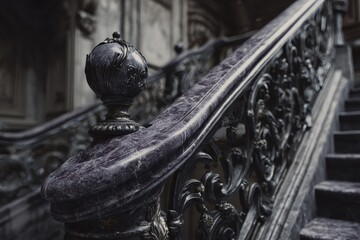
Architectural metal works can be found throughout both interior and exterior spaces. One of the most common applications is in staircases and railings, where metal provides strength and design flexibility. These elements can range from simple structures to highly detailed features that enhance the visual appeal of a building.
Metal is also widely used in building facades. Panels, screens, and cladding systems can create unique exterior designs while offering protection from environmental elements. Doors, gates, and fencing are other examples where metal combines security with style.
Inside a building, architectural metal works can include decorative features such as partitions, fixtures, and custom furniture. These elements add character and create a cohesive design throughout the space.
Materials Used in Architectural Metal Works
The choice of material plays a crucial role in the outcome of any architectural metal project. Steel is one of the most commonly used materials due to its strength and durability. It can support heavy loads and withstand various environmental conditions when properly treated.
Aluminum is valued for its lightweight properties and resistance to corrosion. This makes it ideal for applications where weight and weather exposure are important considerations. Brass and copper are often chosen for their aesthetic qualities, offering unique colors and finishes that develop character over time.
Each material has its own set of advantages, and the selection depends on the specific requirements of the project. Factors such as location, design goals, and maintenance needs all influence the decision.
The Design Process and Customization
The design process in architectural metal works begins with understanding the vision of the project. This includes considering the overall style, functionality, and structural requirements. Detailed drawings and plans are created to guide the fabrication process and ensure accuracy.
Customization is a key aspect of this field. Every project can be tailored to meet specific needs, from the shape and size of components to the finishes and decorative details. This level of flexibility allows designers to create unique elements that enhance the character of a space.
Collaboration is often involved, with designers, engineers, and fabricators working together to achieve the desired outcome. This ensures that the final product meets both aesthetic and functional expectations.
Fabrication Techniques and Craftsmanship
Fabrication is where the design comes to life. This process involves cutting, shaping, and assembling metal components to create the final product. Techniques such as welding, bending, and machining are used to achieve precise results.
Craftsmanship plays a significant role in architectural metal works. Attention to detail is essential, as even small imperfections can affect the overall appearance and performance of the piece. Skilled fabricators combine technical knowledge with creative ability to produce high quality results.
Finishing treatments are applied after fabrication to enhance the appearance and protect the metal. These treatments can include painting, coating, or polishing, depending on the desired look and level of durability.
Benefits of Architectural Metal Works
Architectural metal works offers several advantages that make it a preferred choice in many projects. One of the main benefits is durability. Metal components are strong and can withstand wear over time, making them suitable for both interior and exterior use.
Another advantage is versatility. Metal can be shaped into a wide range of forms, allowing for creative and innovative designs. This flexibility makes it possible to achieve both functional and decorative goals.
Metal also provides a modern and sophisticated appearance. Its clean lines and ability to combine with other materials make it a valuable element in contemporary design. Additionally, many metals are recyclable, which supports sustainable building practices.
Maintenance and Longevity
Maintaining architectural metal works is important for preserving its appearance and performance. Regular cleaning helps remove dirt and debris that can affect the finish. Protective coatings may need to be reapplied over time to prevent corrosion.
The level of maintenance required depends on the type of metal and its environment. Aluminum typically requires less upkeep, while steel may need additional protection to prevent rust. Inspecting components periodically helps identify any issues early.
With proper care, architectural metal works can last for many years. Its durability makes it a long term investment that continues to provide value and functionality.
Trends in Architectural Metal Design
Architectural metal works continues to evolve with changing design trends. Modern styles often emphasize simplicity and clean lines, with a focus on minimalism. Open and airy designs that incorporate metal elements are becoming increasingly popular.
There is also a growing interest in combining metal with other materials such as glass and wood. This creates contrast and adds depth to the design. Advanced fabrication techniques allow for more intricate patterns and unique shapes, expanding the possibilities for creative expression.
Sustainability is another important trend. Using recyclable materials and efficient production methods supports environmentally conscious design. These trends highlight the ongoing innovation within architectural metal works.
Challenges in Architectural Metal Projects
While architectural metal works offers many benefits, it also presents challenges. Working with metal requires precision and an understanding of material properties. Different metals respond differently to heat, pressure, and environmental conditions, which can affect the fabrication process.
Coordination between design and fabrication is essential to ensure that the final product meets expectations. Misalignment or inaccuracies can lead to issues during installation. Managing these challenges requires experience and attention to detail.
Despite these challenges, the results of well executed architectural metal works can be both functional and visually striking.
Final Thoughts
Architectural metal works is a powerful blend of engineering and artistry that shapes the built environment in meaningful ways. From structural components to decorative features, it plays a vital role in creating spaces that are both functional and visually appealing. The combination of durability, versatility, and design potential makes metal an essential material in modern construction.
Understanding the process and possibilities of architectural metal works helps highlight its value in any project. With thoughtful design, skilled craftsmanship, and proper maintenance, metal elements can enhance a space for years to come. In the end, architectural metal works is more than just fabrication. It is a form of design that brings strength, beauty, and innovation together.