
Diesel Preventive Maintenance

Diesel Preventive Maintenance Guide: Protecting Engine Performance and Reducing Downtime

Diesel Preventive Maintenance

A diesel engine is built for strength, endurance, and heavy workloads. It powers long haul trucks, construction equipment, agricultural machinery, and commercial fleets that keep industries moving. But even the toughest diesel engine cannot perform at its best without consistent care. Many costly breakdowns do not happen suddenly. They begin as small issues that go unnoticed until they escalate into major repairs.

Diesel Preventive Maintenance is the key to avoiding unexpected failures, extending engine life, and protecting your investment.

Understanding Diesel Preventive Maintenance

Diesel preventive maintenance refers to scheduled inspections, servicing, and part replacements designed to keep diesel engines operating efficiently. Instead of waiting for components to fail, preventive maintenance focuses on addressing wear and tear before it leads to breakdowns.

Diesel engines operate under high compression and heavy loads. They rely on precise fuel injection, proper lubrication, and efficient cooling systems to maintain performance. Over time, normal operation causes gradual wear on filters, belts, hoses, and internal components. Preventive maintenance identifies and corrects these issues early.

A well structured maintenance plan includes regular oil changes, fuel system inspections, air filter replacements, coolant checks, and thorough diagnostics. Each of these tasks contributes to the overall health of the engine and reduces the risk of unexpected downtime.

Preventive maintenance is not limited to the engine itself. It also includes inspection of the transmission, braking system, electrical components, and exhaust system. By taking a comprehensive approach, operators ensure that every part of the vehicle or equipment functions properly.

The Importance of Regular Oil and Filter Changes

Oil is the lifeblood of any diesel engine. It lubricates moving parts, reduces friction, and helps regulate temperature. Over time, engine oil breaks down and becomes contaminated with dirt, soot, and metal particles. If left unchanged, degraded oil can cause increased friction and internal damage.

Regular oil changes are one of the most critical aspects of diesel preventive maintenance. Fresh oil maintains proper lubrication and supports efficient performance. Replacing oil filters at the same time ensures that contaminants are removed from circulation.

Fuel filters are equally important. Diesel fuel systems rely on clean fuel to maintain accurate injection timing and combustion. Contaminated fuel can clog injectors and reduce efficiency. Replacing fuel filters on schedule prevents blockages and protects sensitive components.

Air filters also play a significant role in engine performance. A restricted air filter reduces airflow, which can lead to decreased power and increased fuel consumption. Clean air filters promote optimal combustion and improve overall efficiency.

By maintaining proper fluid and filter schedules, operators reduce wear on engine components and support long term durability.

Fuel System and Injection Maintenance

The fuel system is a critical component of diesel engine performance. Modern diesel engines use high pressure fuel injection systems that require precision and cleanliness. Even minor contamination or wear can affect efficiency and reliability.

Preventive maintenance includes inspecting fuel injectors for signs of wear or clogging. Poor injector performance can lead to rough idling, reduced power, and increased emissions. Cleaning or replacing injectors when necessary restores proper fuel delivery.

Fuel pumps must also be monitored for consistent pressure and performance. A failing pump can cause engine hesitation or difficulty starting. Early detection of fuel pump issues prevents more extensive damage.

Water contamination is another concern in diesel fuel systems. Water can enter fuel tanks through condensation or poor storage practices. Preventive maintenance includes draining water separators and ensuring that tanks remain clean and sealed.

Maintaining the fuel system supports efficient combustion, improves fuel economy, and reduces strain on the engine.

Cooling System and Temperature Control

Diesel engines generate significant heat during operation. The cooling system plays a vital role in maintaining safe operating temperatures. Without proper temperature control, engines can overheat and suffer severe damage.

Preventive maintenance includes checking coolant levels and inspecting hoses for cracks or leaks. Coolant should be replaced according to manufacturer recommendations to maintain proper chemical balance and corrosion protection.

Radiators must remain free of debris to allow efficient heat exchange. Clogged or damaged radiators reduce cooling capacity and increase the risk of overheating. Regular inspection and cleaning support consistent performance.

Thermostats and water pumps also require attention. A malfunctioning thermostat may prevent proper temperature regulation, while a failing water pump can disrupt coolant circulation. Addressing these issues early prevents costly engine repairs.

Maintaining a healthy cooling system protects internal components and ensures that the engine operates within safe temperature ranges.

Electrical and Battery System Inspections

The electrical system is essential for starting and operating diesel engines. Batteries, alternators, and wiring must function reliably to support ignition and accessory systems.

Preventive maintenance includes testing battery voltage and inspecting terminals for corrosion. Weak batteries can lead to difficult starts, particularly in cold weather. Replacing aging batteries before failure reduces downtime.

Alternators should be checked to ensure they are charging properly. A faulty alternator can cause electrical malfunctions and drain the battery during operation.

Wiring and connections should be inspected for wear or damage. Loose or frayed wires can lead to intermittent issues that are difficult to diagnose. Maintaining a secure electrical system enhances reliability and performance.

By addressing electrical components as part of routine maintenance, operators prevent unexpected starting problems and system failures.

Brake, Transmission, and Exhaust System Care

Diesel preventive maintenance extends beyond the engine compartment. Brakes, transmission components, and exhaust systems also require regular attention.

Brake inspections are essential for safety and performance. Worn brake pads or damaged rotors reduce stopping power and increase risk. Regular inspection ensures that braking systems remain responsive and effective.

Transmission fluid levels and condition should be monitored to maintain smooth shifting and prevent overheating. Contaminated or low transmission fluid can lead to costly repairs.

The exhaust system should be checked for leaks, corrosion, and proper functioning. Modern diesel engines may include emission control components that require periodic inspection. Maintaining the exhaust system supports efficiency and regulatory compliance.

Comprehensive maintenance of these systems ensures safe and reliable operation in demanding conditions.

Benefits of a Structured Preventive Maintenance Program

Implementing a structured diesel preventive maintenance program offers numerous advantages. One of the most significant benefits is reduced downtime. Scheduled servicing allows operators to plan maintenance around work schedules rather than reacting to unexpected breakdowns.

Preventive maintenance also improves fuel efficiency. Well maintained engines operate more smoothly and consume less fuel, resulting in cost savings over time.

Extending engine lifespan is another important advantage. Addressing minor issues early prevents excessive wear and protects major components. This reduces the likelihood of premature engine replacement.

Safety is enhanced through regular inspections of brakes, tires, and critical systems. Reliable equipment protects drivers, operators, and other road users.

Detailed maintenance records provide valuable insights into performance trends. Tracking service history helps identify recurring issues and supports informed decision making.

Conclusion: Investing in Long Term Diesel Performance

Diesel preventive maintenance is more than a routine obligation. It is a proactive strategy that safeguards engine performance, reduces operating costs, and extends equipment lifespan. By maintaining proper fluid levels, inspecting key systems, and addressing minor issues before they escalate, operators protect their valuable assets.

In industries where reliability and efficiency are essential, preventive maintenance is a smart investment. A well maintained diesel engine delivers consistent power and dependable performance, ensuring that vehicles and equipment remain ready for the demands of every job.
Concrete Contractors

What Is Concrete?

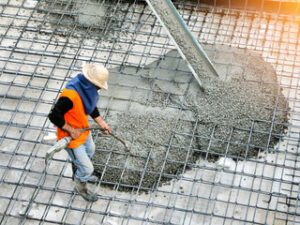
Concrete is a composite material made by mixing binding materials (cement or lime), aggregates, water and other admixtures in specific proportions. The result is an artificial stone-like mass which is strong and durable.

Concrete

When working with concrete, the weather and climate will have a big impact on the workability of the product. For instance, freezing weather can cause displacement of the concrete pad unless steps are taken to protect it, like adding sheet foam or using heat blankets. Read on Concrete Greensboro NC for more information.

Concrete is well known for its strength and durability, making it an excellent choice for building and maintaining load-bearing structures. Its ability to withstand heavy loads and extreme weather conditions also makes it ideal for use in roads and bridges.

The most significant property of concrete is its compressive strength, which is measured in pounds per square inch (psi) or kilograms per square centimeter. This measure of strength is determined by measuring the force required to crush a cylindrical sample of concrete with a specified radius of curvature.

When preparing a mix design for a project, the engineer will typically refer to test results or trial data to ensure that the proper proportions of cement, sand and coarse aggregate are used. The engineer may also choose to add other admixtures for workability and other properties that aren’t related to strength. These include air-entraining agents and corrosion inhibitors as well as coloring and surface finish additives.

In addition to the above materials, the mix must have an appropriate water content for adequate hydration. The hydration reaction is key to the development of concrete strength. If the mix is too dry, the hydration process will cease and the concrete will remain in its plastic state with little or no strength gain. If the mix is too wet, the hydration will accelerate and the concrete will harden too rapidly.

When mixed properly, the concrete’s fine and coarse aggregates bind together with a cement paste to create rock solid concrete. This binding is accomplished by a hydration reaction that takes place in the pores of the aggregates and in the surface of the cement particles. This is what gives concrete its distinctive texture as well as its strength.

Concrete’s tensile strength is less impressive than its compressive strength, but it’s still strong enough to handle shear forces and bending stresses. For increased tensile strength, engineers sometimes add steel reinforcement bars to concrete mixes.

For projects that require a high level of workability, the engineer may add a plasticizing admixture to the mix. These admixtures are designed to reduce the tendency of cement particles to bind together in clumps and thus escape complete hydration. Fly ash and silica fume are two common admixtures that serve this purpose. More recently, superplasticizers have been developed to allow higher-strength concrete to be produced with less water.

Durability

Concrete is durable and can withstand a great deal of pressure, which makes it ideal for use in heavy structures such as roads and bridges. Its impressive strength and durability have also made it a vital construction material for buildings, skyscrapers and other load-bearing structures. Concrete can also withstand the compression of heavy loads and, when used with reinforcement bars or meshes, it can resist bending and cracking. The durability of concrete is enhanced by proper curing, in which the conditions of the environment are controlled to ensure the material achieves its optimal properties and strength.

The concrete’s impermeability and resistance to corrosion have also made it a popular construction material for water-related projects, such as dams, canals and reservoirs. It can also be used to construct structures that are constantly exposed to seawater, including jetties, breakwaters and docks.

To increase the durability of concrete, manufacturers can add supplementary ingredients to the mix to improve its mechanical properties, including its resistance to corrosion and abrasion. These additives are called performance-based materials, and they can help improve the structural integrity of the concrete. They can also improve the water resistance of concrete, which is important in marine applications.

Regular inspections and maintenance are also important for ensuring the long-term durability of concrete structures. The inspections can help identify potential problems, which can then be quickly repaired before they lead to major structural failures. Maintenance also helps to prevent minor problems from escalating into major structural failures, and it can reduce the need for costly repairs in the future.

Durability is a complex aspect of concrete construction, and it can be difficult to predict how long a structure will last. While it is possible to design a concrete structure that will be durable in the short term, it’s not always easy to ensure that a structure will remain durable for its full service life. This is why it’s important to keep up with the latest innovations in construction technology, and to work with a contractor that has experience in constructing high-quality, durable concrete structures.

Flexibility

Concrete is a versatile building material, but it requires professional knowledge to use it properly. The right ratio of water, cement, and aggregates affects the workability of the concrete mixture and its strength and durability. This is why it’s important to work with a team that understands how to prepare and mix the correct concrete for your commercial project.

When you choose concrete for your next construction project, you can expect it to last for decades and stand up to severe weather conditions. It’s also easy to install and cost-effective. Concrete is a popular choice for residential construction, including foundation repairs and garden pathways. In commercial buildings, concrete offers stability and a sleek aesthetic that appeals to tenants. It’s also durable and energy-efficient, thanks to its natural ability to retain heat.

The main ingredients in concrete are Portland cement, sand, and aggregates. However, there are a variety of special additives called admixtures that can change the chemical composition of the concrete to improve its performance and properties. Various concrete mix designs are used for different types of projects. These mixes are designed to meet the specific needs of a project, and are based on factors such as climate, site conditions, and design requirements.

Ready mix concrete is a popular construction material that has several advantages over traditional forms of concrete. It provides uniform quality, reduces waste, and saves time with quicker delivery. It is also highly adaptable to environmental conditions and traffic patterns, making it a great choice for urban infrastructure. Ready mix concrete is also used to enhance the urban landscape with pedestrian paths, benches, and retaining walls in public parks. It is a vital component in ensuring the safety of urban spaces and contributing to their cultural vibrancy.

New concrete technology is also improving the versatility of this building material. For example, self-healing concrete uses shape memory polymers to fill cracks and imperfections. It can be useful for roads and bridges that cannot be closed for long periods of time to repair damage caused by weather or traffic. Other emerging concrete technologies include smart concrete, which can detect damage and adjust its structure automatically.

Economy

Concrete is a very economical material for building construction. It is typically manufactured locally to its point of use and utilises raw materials that are relatively abundant. This reduces the energy required for transporting the material and minimises its environmental impact. It also has a high thermal mass and, when used in buildings, this can result in lower energy costs by reducing heating and cooling requirements.

As a result, the use of concrete can have significant societal benefits. However, it is important to consider how the material is made and how it is disposed of in order to achieve full circularity. In particular, minimizing the embodied energy of concrete is an essential step, and this can be achieved through a combination of strategies such as increased RCA utilisation, SCM substitution, and the development of alternative cementitious materials.

The concrete industry has a critical role to play in transitioning to a circular economy. After water, it is the world’s most consumed construction material, yet it currently accounts for 7% of global GHG emissions and 9% of industrial water withdrawals. Concrete’s versatility and durability make it an indispensable part of a nature-positive future, but its current scope and consumption can be limited to reduce its negative impacts.

Achieving a fully circular concrete economy will require technological innovation and supportive policy frameworks. This will include promoting design for disassembly, incentivizing recycling, and establishing landfill taxes to drive waste diversion. It will also involve developing more energy-efficient concrete production technologies and designing buildings that are both energy-efficient and resilient to climate change.

Concrete has many applications and can be tailored to specific construction projects. For example, it is used as the kingpin for megaprojects like airports and railway stations because it is an extremely reliable material that can withstand unlimited heavy loads. It is also the preferred material for precasting and has become a trusted choice for architects seeking to create stylish homes with sleek exteriors. In addition, it is an excellent material for culverts and sewers because of its strength and ability to retain heat.