Roofing Services

Signs, Costs, and What Homeowners Need to Know Before Replacing a Roof

roofing

A roof does more than complete the look of a home. It protects everything beneath it from weather, moisture, and long term structural damage. Yet many homeowners wait until serious problems appear before thinking about a replacement. By the time leaks, sagging, or visible wear show up, the damage may already be extensive. Understanding when and why Cedar Park Roofing replacement is necessary can help prevent costly repairs and ensure your home stays safe and secure for years to come.

Why Roofing Replacement Is Essential for Home Protection

Roofing replacement is not just about aesthetics. It plays a vital role in maintaining the structural integrity of a home. Over time, exposure to sun, rain, wind, and debris gradually weakens roofing materials. Even high quality roofs have a lifespan, and once that limit is reached, repairs may no longer be enough to maintain protection.

An aging or damaged roof can allow water to seep into the structure, leading to mold growth, insulation damage, and weakened support beams. Moisture intrusion can also affect indoor air quality and increase energy bills due to poor insulation performance. Replacing the roof at the right time helps avoid these issues and restores the home’s ability to withstand environmental elements effectively.

Common Signs That Indicate You Need a Roof Replacement

Recognizing the early warning signs of roof failure can save homeowners from more serious damage. One of the most obvious indicators is missing or damaged shingles. When shingles begin to curl, crack, or fall off, the underlying layers become exposed to moisture and sunlight.

Another clear sign is frequent leaks or water stains on ceilings and walls. These issues often suggest that the roof’s protective barrier has been compromised. Granule loss is another important factor. If you notice excessive granules in gutters or downspouts, it usually means the shingles are deteriorating.

Age is also a critical consideration. Most roofing materials have a lifespan ranging from 20 to 30 years, depending on the type and maintenance level. If your roof is approaching or has exceeded this range, replacement may be the most practical solution. Sagging areas on the roof indicate structural weakness, which should be addressed immediately to prevent collapse.

Understanding the Roofing Replacement Process

Roofing replacement involves several steps that ensure the new system is installed correctly and performs efficiently. The process usually begins with a thorough inspection to assess the condition of the existing roof and identify any underlying issues.

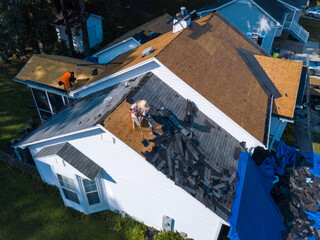
Once the assessment is complete, the old roofing materials are removed. This step allows for a closer look at the decking underneath. If any sections of the decking are damaged or rotted, they must be repaired or replaced before installing new materials.

After preparing the surface, underlayment is installed to provide an additional layer of protection against moisture. The new roofing material is then applied, followed by flashing installation around areas like chimneys, vents, and valleys to prevent water infiltration.

The final stage involves cleanup and inspection to ensure everything has been installed properly. A well executed roofing replacement not only enhances the appearance of the home but also improves its durability and performance.

Choosing the Right Roofing Material for Your Home

Selecting the appropriate roofing material is a crucial decision that affects both the lifespan and performance of the roof. There are various options available, each with its own advantages and considerations.

Asphalt shingles are among the most commonly used materials due to their affordability and ease of installation. They offer a decent lifespan and come in a variety of styles and colors. Metal roofing is another popular choice known for its durability and resistance to extreme weather conditions. It can last significantly longer than traditional materials and requires minimal maintenance.

Tile roofing provides a distinctive appearance and excellent longevity, but it is heavier and may require additional structural support. Wood shingles or shakes offer a natural look but need regular maintenance to prevent issues such as rot and insect damage.

The choice of material should take into account factors such as climate, budget, and the architectural style of the home. A well chosen roofing material can enhance both the functionality and visual appeal of the property.

Factors That Affect Roofing Replacement Costs

The cost of roofing replacement can vary widely depending on several factors. One of the main considerations is the size and complexity of the roof. Larger roofs require more materials and labor, which increases the overall cost. Roofs with steep slopes or intricate designs may also require additional time and expertise to complete.

The type of roofing material selected plays a significant role in determining the cost. Premium materials such as metal or tile tend to be more expensive than asphalt shingles. Labor costs can also vary based on the level of expertise required and the time needed to complete the project.

Another factor to consider is the condition of the existing roof. If there is significant damage to the underlying structure, additional repairs will be necessary before installing the new roof. This can add to the total expense but is essential for ensuring a stable and long lasting result.

Permits and disposal fees may also contribute to the overall cost. Proper removal and disposal of old roofing materials are important for environmental and safety reasons. Understanding these cost factors can help homeowners plan and budget more effectively for a roofing replacement project.

How Roofing Replacement Improves Energy Efficiency

A new roof can significantly improve the energy efficiency of a home. Modern roofing materials are designed to reflect more sunlight and absorb less heat, which helps maintain a comfortable indoor temperature. This can reduce the need for excessive air conditioning and lower energy bills.

Proper insulation and ventilation also play a key role in energy efficiency. During a roofing replacement, these components can be upgraded to ensure optimal performance. Improved ventilation helps regulate temperature and moisture levels in the attic, preventing issues such as mold growth and heat buildup.

By enhancing the roof’s ability to manage heat and airflow, homeowners can create a more energy efficient living environment while also extending the lifespan of the roofing system.

Maintenance Tips to Extend the Life of Your New Roof

Even after a roofing replacement, regular maintenance is essential to ensure the roof remains in good condition. Routine inspections can help identify minor issues before they become major problems. Checking for damaged or missing shingles, clearing debris from gutters, and ensuring proper drainage are important steps in maintaining the roof.

Keeping the roof clean and free from moss or algae growth can also help preserve its appearance and functionality. Trimming overhanging branches reduces the risk of damage from falling limbs and prevents debris accumulation.

Addressing small repairs promptly can extend the lifespan of the roof and protect the investment made in the replacement. Consistent maintenance ensures that the roof continues to provide reliable protection for many years.

Conclusion

Roofing replacement is a significant investment that plays a crucial role in protecting a home and maintaining its value. By understanding the signs of roof damage, the replacement process, and the factors that influence cost and material selection, homeowners can make informed decisions that benefit their property in the long term.

A well planned and properly executed roofing replacement not only enhances the appearance of a home but also improves its durability, energy efficiency, and overall performance. Taking a proactive approach to roof care and replacement ensures that your home remains safe, comfortable, and well protected against the elements.

Pest Control

A Beginner’s Handbook to Pest Control

Pest control is the effort to prevent or remove unwanted organisms from a natural environment. Pest control methods include biological, chemical, cultural and physical/mechanical controls.

Pest Control

Pests are undesirable organisms that damage or devalue human resources (food, plants, soil, clothing, etc). Organisms rise to the level of being considered a pest when they escape normal control by natural regulating agents. Click Here to learn more.

Identifying pests correctly is an essential step in pest management. It allows us to determine a pest’s life cycle, preferred food sources and environmental conditions, which are all important factors when deciding on control methods. It also allows for correct timing of treatments; misidentifying a pest can make a treatment ineffective.

Incorrect identification can lead to unneeded use of pesticides, which not only threaten the collection but can cause harm to humans and pets as well. A pest’s appearance changes during the course of its life cycle, and it is not always easy to tell one species from another. Many insect pests have distinct physical forms at different stages, and it is important to distinguish between the adult, larval and egg stages.

Pests can be insects, mammals, birds, plants or other organisms that reduce the availability, quality or value of a human resource. Pest damage can be caused by a number of things, including nonliving agents like weather extremes, air pollutants and improper fertilization, or by living organisms such as disease vectors, predators and parasitoids.

Most pests can be controlled through cultural and physical methods, excluding or repelling them rather than using chemical agents. Cultural pest management practices include sanitation, adherence to garbage disposal and storage procedures, recording and monitoring pest sightings and maintenance and cleaning schedules. Physical controls include establishing physical barriers (e.g., netting or screens for trees), removing harborage areas and food sources, and manual removal of pests with sticky cards, traps, animal traps, hand picking, and the use of swatters.

The goal of biological pest control is to introduce or enhance a pest’s natural enemies. This is a method of pest management that can be used to control both insects and weeds, and it can be very effective in the short term, particularly against new exotic pests. It is also the safest method of controlling pests because it does not involve the introduction of foreign chemicals. Biological pest control is most often accomplished by importing natural enemies from their areas of origin, but other techniques, such as releasing beneficial mites to control citrus thrips in California or introducing nematodes to kill invasive plant scales in Washington, are also used.

Pest Prevention

Pests can cause significant problems for home and business owners. They can damage buildings, stock and merchandise. They can also impact on people’s health by contaminating food and carrying bacteria, mites or other parasites. Pests can be very difficult to get rid of and need to be dealt with as quickly and efficiently as possible to reduce ongoing maintenance costs, damage and loss of reputation.

Pest control is about preventing pests and their damage to humans, crops, plants, property and personal belongings by using cultural, physical/mechanical or chemical means. In most cases, prevention is cheaper than treatment.

Preventing pests involves identifying what attracts them and removing the food, water or shelter they need to survive. This can include good sanitation, keeping rubbish bins closed and disposed of regularly, removing weeds, planting resistant or attractive plant species, mulching, avoiding over-watering, fixing leaks, using dehumidifiers in damp areas and using barriers to prevent pest access such as fences and insect netting.

If preventive measures fail to work, treatments may be needed to control the pest population. This is usually done on an emergency basis as and when the infestation occurs, rather than being part of a routine pest management programme. Treatments can include spraying, baiting or trapping to kill the pests and their offspring. When treating, it is important to clear away any items that could be harmed by the chemicals used. It is also important to close or cover any open windows and doors to prevent the spread of the pests.

The most effective pest control methods use the least amount of chemicals. Often, they are cultural (like changing the rotation of brassicas in the garden to disrupt the harlequin beetle life cycle) or physical/mechanical (removing damaged foliage or using bug netting over sensitive plants).

When selecting pest control measures, it is important to evaluate the situation and environmental conditions that led to the pest problem. This will help to ensure that the chosen method is appropriate and the most cost-effective. It is also important to identify the pest correctly to be sure that the correct management technique is being applied – for example, knowing that fleas are attracted to unwashed clothing will encourage you to wash your clothes more frequently.

Pesticides

Each year, more than a billion pounds of pesticides are applied in home gardens, parks and farms to control unwanted plants, insects, diseases and other organisms that are considered pests. These chemicals are categorized as insecticides, herbicides, fungicides and rodenticides. Some are incorporated into the plant while others are sprayed on the surface of the soil or in the air. Other sprays include desiccants, disinfectants and sanitizers that promote drying or kill disease-producing microorganisms on inanimate objects, and fumigants which produce gas or vapor to destroy pests.

There are both organic and synthetic pesticides, though many are based on naturally occurring substances like plant oils and minerals. Natural pesticides may be more environmentally friendly than their synthetic counterparts, but both can still cause adverse effects if they are not used correctly. It is important to read the label on every pesticide product and follow the EPA’s guidelines for safe use.

Pesticides can have detrimental effects on the environment by contaminating water sources through runoff and leaching, killing or poisoning wildlife and entering human food chains. They can also affect non-target organisms such as beneficial insects and other plants through resistance, bioaccumulation or exposure to toxic residues.

For example, the neonicotinoid insecticides have been linked to the decline of pollinator populations such as bees and butterflies. Many pesticides have been shown to be carcinogenic and neurotoxic to humans and animals, which is why the EPA regulates their use and manufacture.

Some natural pesticides are effective, and include horticultural oils and soap sprays that are formulated to target soft-bodied insects like caterpillars or aphids, and natural, plant-derived fungicides such as pyrethrum or neem oil. Other effective options are nematicides and microbial pesticides such as Bt.

In addition to natural pesticides, learn about and support initiatives to reduce the use of conventional chemical pesticides. Many communities have neighbor and occupant notification laws that require residents to be notified of pesticide applications, and you can find out more about community efforts by speaking to your local health department or vector control agency.

Exterminators

In the past, exterminators often used harsh chemicals to quickly and temporarily eradicate pest infestations. But those chemicals were dangerous to people, pets, and the environment, and didn’t get to the root of the problem.

Nowadays, professional exterminators use a combination of methods and strategies to create long-term solutions for their clients. This includes the use of pesticides, traps, and bait stations, as well as routine spraying. They also identify the sources of pests, collaborating with their clients to make changes to outdoor environments that minimize their presence.

For example, they may recommend sanitation practices or structural repairs that decrease food or water supplies to pests. They may even instruct homeowners or businesses on how to remove attractants such as weeds, clutter, or woodpiles. In addition to residential properties, pest control technicians work in a variety of settings, including commercial, agricultural, and educational environments.

In these settings, they work with farmers and other agriculture professionals to manage pests in crops, vineyards, orchards, and livestock facilities. They also collaborate with golf courses, parks, and recreational areas to manage invasive wildlife such as mosquitoes and ticks.

Before applying pesticides, pest control specialists follow safety protocols to ensure the health and wellbeing of the public, their clients, and the environment. They also use proper mixing and application techniques to maximize the effectiveness of their treatments. They also ensure they’re adhering to product labels by inspecting and recording the type of pest they’re treating, the type of treatment, and the results of their efforts.

During the actual pest control process, the exterminator will spray chemical solutions, powders, or gases around or near the infested property to kill existing pests and prevent them from returning. They may also set traps and bait, or even employ fumigation in severe cases.

Visit our Professional Services Blogs

Chris Atkins Lawncare, Atticus Landscaping, Treasure Coast Pressure Wash, Gulf Beach Plumbing, Marlborough Plumbing, Guns And Hoses Pressure Washing, Ambrose Construction, Coral Gables Pressure Washing, Willco Photography, Roofing Akron, Danalogsdon Roofing El Cajon, EC Siding Roofing Windows, Aurora Gutter, American Insurance Source, ECO, etdn, Denison Service League,  Roofing Blog, Atlantic Vinyl Windows, Brookshires Fireplaces, JD Advanced Remodeling, Product Judgment, Master Dry Foundation Repair, Moe’s Hip, Elta Patio Paramount, Rock Around The Clock Festival, Learn, Play, Beyond, MoralesT Gardening, Car Window Tinting Perth, Duncan Carpentry, Gatestone Lighting, Mid Missouri Mold Inspections, Stucco Repair Albuquerque, Wausau Siding Hire, Munster Tree Care, Blue Granite Homes, Custom House, CENTRAL OS, Atlanta Pavers, Phillips Law Firm, Brent Ryder MasonryWalker Construction Drywall Division, RJ Law, Caledon Plumbing, DDS Tech USA, Maine Mortgage Services, Inckpen, Seasons at Rose Creek, Cottonwood Place Dental, Cosmetic Laser 2000