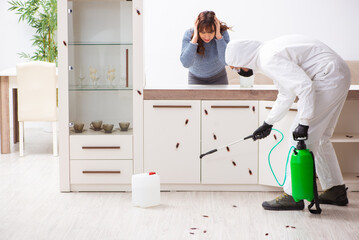
Pest Control

Residential Pest Control: A Complete Guide to Protecting Your Home

A home should be a place where you can relax without worrying about unwanted insects or animals hiding behind walls, under cabinets, or in other overlooked areas. Yet pest problems can develop quietly, often starting with a few insects, unusual sounds, or small signs of damage before becoming a much larger concern. Residential pest control provides homeowners with practical ways to identify, manage, and prevent these problems. From regular inspections and targeted treatments to simple preventive measures, an effective approach can help protect a home’s comfort, cleanliness, and condition. Understanding how residential Ben’s Pest Control works can help homeowners respond more effectively to pest problems and prevent recurring infestations.

What Is Residential Pest Control?

pest control

Residential pest control refers to the management and prevention of unwanted pests around and inside a home. These pests can include insects, rodents, and other unwanted organisms that may enter a property in search of food, water, shelter, or suitable conditions for reproduction. Pest control can involve inspection, identification, treatment, monitoring, and preventive maintenance depending on the type and severity of the problem.

A successful approach does not simply focus on removing pests that are visible. Many pests spend most of their time in hidden areas, making it important to understand where they live, how they enter, and what attracts them. Addressing these underlying conditions can reduce the possibility of recurring activity. Residential pest control is therefore best viewed as an ongoing process rather than a single treatment.

Why Residential Pest Control Is Important

Pests can affect more than the appearance and comfort of a home. Certain insects and rodents may contaminate food, damage household materials, or create unpleasant odors. Some pests can also damage wood, insulation, wiring, stored belongings, and other components of a property. When infestations are allowed to continue, the resulting damage may become more difficult and expensive to address.

Early pest management can help prevent a minor problem from becoming more serious. Homeowners who regularly inspect their property may notice warning signs before a large population becomes established. Addressing small openings, moisture problems, food sources, and other attractants can also make the home less appealing to pests. A proactive approach can provide greater peace of mind and help protect the property over time.

Common Residential Pest Problems

Homes can experience many different types of pest problems depending on their construction, surroundings, maintenance, and environmental conditions. Ants are often attracted to food and moisture and may establish trails between indoor and outdoor areas. Cockroaches can thrive in warm, damp spaces where food and shelter are readily available. Flies may be attracted to garbage, food waste, and organic materials.

Rodents can also become a serious concern when they find access to food and shelter inside a home. They may hide in attics, walls, storage areas, and other secluded spaces. Wood-damaging insects can create additional concerns when they affect wooden structures or furnishings. Because each pest has different habits, accurate identification is important before selecting a control method.

Inspecting the Home for Pest Activity

Inspection is one of the most important stages of residential pest control. A thorough inspection looks for visible pests as well as signs that indicate hidden activity. Droppings, nests, damaged materials, insect trails, shed skins, unusual odors, and gnaw marks can provide valuable information. The inspection should also consider areas where pests are likely to enter or hide.

Important areas may include kitchens, bathrooms, basements, attics, storage spaces, wall openings, foundations, doors, windows, and roof areas. Plumbing and utility entry points should also be examined because small gaps around pipes and wires can create access points. Identifying these areas helps establish a clearer picture of the infestation and can guide the treatment process.

Identifying How Pests Enter a Home

Pests can enter through surprisingly small openings. Cracks around foundations, gaps beneath doors, damaged screens, openings around pipes, vents, windows, and utility lines can all provide potential entry points. Some pests can also enter through damaged roofing or other exterior openings. Once inside, they may move through walls, ceilings, crawl spaces, and other hidden areas.

Sealing potential entry points is therefore an important part of pest prevention. Homeowners should regularly inspect exterior surfaces for cracks and gaps and repair damaged screens and doors. Openings around utility connections should also be checked carefully. Reducing access can help prevent new pests from entering after an existing infestation has been treated.

Preparing the Home for Pest Treatment

Proper preparation can help make residential pest control more effective. Depending on the type of pest and treatment, homeowners may need to clean specific areas, remove exposed food, organize clutter, or provide access to hidden spaces. Following preparation instructions carefully can help ensure that treatment areas are accessible and ready.

Clutter can provide hiding places for many pests, making storage areas particularly important. Food should also be stored appropriately so that pests have fewer accessible sources. Removing unnecessary items from treatment areas can make inspection and application easier. Preparation should be based on the specific treatment plan because requirements can vary from one pest problem to another.

Choosing the Right Pest Control Treatment

There is no universal treatment for every pest problem. The appropriate method depends on the pest species, location, severity of the infestation, and conditions within the property. Treatment options can include targeted applications, traps, baiting systems, physical exclusion, sanitation improvements, and other management strategies.

Targeted treatment can be more practical than applying control products broadly without identifying where pests are active. The goal is to address the source and affected areas while minimizing unnecessary treatment. The selected approach should also consider household members, pets, and the surrounding environment. Following product instructions and appropriate safety measures is essential whenever pest control products are used.

Managing Moisture and Water Sources

Moisture is a major factor in many residential pest problems. Leaking pipes, dripping faucets, clogged drains, standing water, and excessive humidity can create conditions that attract certain insects. Damp areas can also provide suitable environments for pests to hide and reproduce.

Homeowners should regularly inspect plumbing and moisture-prone areas for leaks. Bathrooms, kitchens, basements, laundry spaces, and areas around appliances can deserve particular attention. Improving ventilation and addressing water problems promptly can reduce moisture-related pest activity. Keeping the home dry where practical is an important part of long-term pest prevention.

Keeping Food and Waste Secure

Food is one of the most common reasons pests enter and remain inside a home. Crumbs, spills, uncovered food, pet food, and improperly stored ingredients can provide easy sources of nourishment. Even small amounts of food can attract insects and other pests.

Regular cleaning can help reduce these attractants. Food should be kept in suitable sealed containers, and spills should be cleaned promptly. Garbage should be contained and removed regularly to prevent odors and food waste from attracting pests. Pet feeding areas should also be kept clean and monitored for leftover food. These simple habits can significantly reduce the conditions that encourage pest activity.

Protecting the Home From Rodents

Rodent control requires attention to both existing activity and potential entry points. Signs of rodents can include droppings, gnaw marks, scratching noises, nesting materials, damaged food packaging, and unusual odors. Rodents often hide in areas that receive little traffic, so homeowners may not immediately notice an infestation.

Preventing rodents from entering is an important part of long-term control. Gaps and openings should be identified and appropriately sealed. Food should be stored securely, and clutter should be minimized in storage areas. If rodent activity is persistent, professional evaluation may be appropriate to identify hidden nesting areas and determine the most effective management strategy.

Preventing Pests From Returning

Treatment alone may not provide lasting results if the conditions that attracted pests remain unchanged. After addressing an infestation, homeowners should focus on prevention. This can include sealing openings, repairing damaged screens, managing moisture, storing food securely, and keeping indoor and outdoor areas clean.

Outdoor maintenance can also influence pest activity around a home. Standing water, accumulated debris, overgrown vegetation, and poorly maintained drainage areas can create shelter or breeding opportunities. Keeping the property maintained can help reduce the number of pests near the structure. Combining exterior maintenance with indoor prevention can provide stronger long-term protection.

When Professional Pest Control May Be Needed

Some pest problems can be managed through cleaning, maintenance, exclusion, and other preventive measures. However, established infestations may require professional assistance. Persistent pest activity, extensive property damage, hidden nests, or recurring infestations can be signs that a more comprehensive approach is necessary.

Professional residential pest control may involve detailed inspection, pest identification, targeted treatment, follow-up monitoring, and recommendations for prevention. This approach can help address both the immediate infestation and the conditions contributing to it. Homeowners should also follow any preparation, treatment, and post-treatment instructions provided to help achieve the best possible outcome.

Final Thoughts

Residential pest control is an important part of maintaining a comfortable and well-protected home. Effective pest management involves more than eliminating visible pests because the underlying causes of an infestation must also be considered. Regular inspections, proper food storage, moisture management, entry-point repairs, cleanliness, and outdoor maintenance can all help reduce pest activity. When problems become persistent or difficult to identify, professional assistance can provide a more thorough approach to inspection and treatment. By making pest prevention part of regular home maintenance, homeowners can reduce the likelihood of infestations and create a cleaner, safer, and more comfortable living environment.

Pest Control

How Quickly Does Pest Control Work and When Will You See Results?

Pest Control

You finally schedule a pest control treatment after weeks of dealing with ants in the kitchen, spiders in the corners, or scratching sounds inside the walls. The treatment is done, but the next morning you still spot a few pests moving around. At that moment, many people begin asking the same question: how quickly does pest control work? Understanding the timeline of Pest Control Trophy Club TX treatments can help set realistic expectations and explain why complete results often take time.

Understanding How Pest Control Works

Pest control is designed to reduce and eliminate pest activity while preventing future infestations. The process does not always produce instant results because different pests respond to treatments in different ways.

Some treatments target pests directly on contact, while others are designed to spread through colonies over time. The method used depends on the type of pest, the size of the infestation, and the treatment strategy selected.

Pest control also focuses on long term prevention. This means the goal is not only to kill visible pests but also to stop breeding cycles and eliminate hidden populations. Because of this, results may continue developing days or even weeks after treatment.

Factors That Affect How Fast Pest Control Works

Several factors influence how quickly pest control becomes effective. One of the biggest factors is the type of pest involved. Ants, cockroaches, rodents, termites, and bed bugs all respond differently to treatments.

The severity of the infestation also matters. A small pest issue may improve quickly, while a large infestation often requires more time and multiple treatments.

The treatment method itself plays an important role. Some treatments work immediately on contact, while others use bait systems that pests carry back to their nests or colonies.

Environmental conditions can also affect results. Moisture, clutter, food availability, and hidden entry points may allow pests to continue surviving if those conditions are not corrected.

Consistency and follow up treatments often determine how successful and long lasting the results will be.

How Long It Takes for Common Pest Treatments to Work

Different pests have different treatment timelines. Ant control may begin showing results within a few days, especially when bait systems are used. However, complete colony elimination can take one to two weeks.

Cockroach treatments may initially appear to increase pest activity because hidden roaches are driven out of their nesting areas. Noticeable improvement often occurs within several days, but severe infestations may require ongoing treatment.

Rodent control can take longer because traps and bait stations rely on rodent movement patterns. Full elimination may take several weeks depending on the population size.

Termite treatments often require the most patience. Some methods may take weeks or months to fully eliminate a colony because termites spread the treatment gradually throughout the nest.

Mosquito and outdoor insect treatments may show faster visible results, often within hours or days, though repeated treatments are usually needed for lasting control.

Why You May Still See Pests After Treatment

One of the most common concerns after pest control is seeing pests continue to appear. In many cases, this is a normal part of the process rather than a sign that the treatment failed.

Some pests are forced out of hiding after treatment, making them more visible temporarily. Others may continue moving through treated areas before they die.

Eggs are another factor. Certain treatments do not immediately destroy eggs, which means new pests may hatch days later before the infestation is fully controlled.

Large infestations may also involve hidden nesting areas that take longer to reach. This is why ongoing monitoring and follow up visits are often necessary.

Understanding that pest control is often a process rather than an instant solution helps set realistic expectations.

The Importance of Follow Up Treatments

For many infestations, one treatment is not enough. Follow up services help ensure that pests are fully eliminated and do not return.

Pests reproduce quickly, and missing even a small portion of the population can allow the infestation to continue. Regular follow up visits help break breeding cycles and address any remaining activity.

Monitoring is also important because pest behavior may change over time. Adjusting treatments based on activity levels improves long term effectiveness.

Follow up care is especially valuable for pests like bed bugs, termites, and cockroaches, which are known for hiding in difficult to reach areas.

How Long Pest Control Treatments Last

The effectiveness of pest control does not end once pests disappear. Many treatments continue working for weeks or months after application.

Residual treatments create protective barriers that help prevent new infestations. Outdoor treatments may need to be reapplied more frequently because weather conditions can reduce effectiveness.

Indoor treatments often last longer when combined with proper sanitation and prevention efforts. However, no treatment lasts forever, which is why regular maintenance is important.

The length of protection depends on the type of treatment, the pest involved, and the environment being treated.

What You Can Do to Improve Results

Homeowners and property managers play an important role in helping pest control work effectively. Cleanliness is one of the most important factors because food and water sources attract pests.

Reducing clutter helps eliminate hiding places and allows treatments to reach more areas. Sealing entry points around doors, windows, and utility lines also helps prevent reinfestation.

Following post treatment instructions is equally important. Some treatments require avoiding certain cleaning methods for a period of time so the products can remain effective.

Addressing moisture problems and maintaining proper waste disposal further improves long term pest control success.

Signs That Pest Control Is Working

There are several signs that indicate pest control treatments are becoming effective. One of the first signs is a reduction in visible pest activity. You may notice fewer insects or rodents within the first few days.

Another sign is the appearance of dead pests around treated areas. This often indicates that the treatment is reaching hidden populations.

Changes in pest behavior can also signal progress. Pests may appear slower, disoriented, or more visible as treatments take effect.

Over time, the complete disappearance of activity, droppings, or damage confirms that the infestation is under control.

When to Be Concerned About Slow Results

While pest control often takes time, there are situations where slow results may indicate a larger issue. If pest activity remains unchanged several weeks after treatment, there may be hidden infestations or untreated entry points.

Repeated infestations can also suggest that environmental conditions are still attracting pests. Moisture problems, food sources, or structural gaps may need to be addressed alongside treatment.

Communication and ongoing inspection help determine whether additional treatments or adjustments are necessary.

The Long Term Value of Professional Pest Control

Professional pest control offers long term benefits beyond immediate pest removal. It helps protect property from structural damage, contamination, and ongoing infestations.

Routine monitoring and preventive treatments create a more stable environment and reduce the likelihood of future problems. This proactive approach often saves time and money compared to repeatedly dealing with recurring infestations.

Professional services also provide expertise that helps identify hidden issues before they become severe. Long term pest management supports healthier and more comfortable living spaces.

Conclusion

So, how quickly does pest control work? The answer depends on the type of pest, the severity of the infestation, and the treatment method used. Some pests may begin disappearing within hours or days, while others require several weeks for complete elimination.

Understanding that pest control is often a process rather than an instant fix helps set realistic expectations. Follow up treatments, preventive measures, and proper maintenance all contribute to long term success.

Effective pest control is not just about removing visible pests. It is about creating lasting protection, reducing future risks, and maintaining a healthier and more comfortable environment over time.