Water damage is one of the most persistent and costly issues homeowners face. While sudden events like heavy storms or plumbing failures often get the most attention, the reality is that many cases of water damage develop slowly over time due to neglect, wear, or overlooked maintenance. Protecting your home from water damage is not just about reacting to emergencies—it’s about implementing long-term strategies that reduce risk and preserve the integrity of your property.
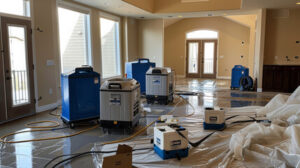
A proactive approach to home maintenance can prevent structural deterioration, mold growth, and expensive repairs. By understanding where vulnerabilities exist and how to address them consistently, homeowners can create a resilient living environment that withstands both everyday wear and unexpected challenges. Long-term protection begins with awareness and is sustained through routine care and smart upgrades. Explore https://www.allproutah.com for additional information.
Understanding the Sources of Water Damage
Before developing a maintenance strategy, it’s essential to understand where water damage typically originates. Water can enter a home through various pathways, including the roof, foundation, plumbing systems, and even poorly sealed windows and doors. Each of these areas presents unique risks that require targeted solutions.
For example, roof leaks may result from damaged shingles or clogged gutters, while foundation issues can allow groundwater to seep into basements or crawl spaces. Plumbing leaks, often hidden behind walls or under floors, can go unnoticed for extended periods, causing gradual damage. Recognizing these potential entry points allows homeowners to focus their maintenance efforts where they are most needed.
Routine Inspections: The First Line of Defense
Regular inspections are the cornerstone of any long-term water damage prevention plan. By identifying small issues early, homeowners can address them before they escalate into major problems. Inspections should cover both interior and exterior areas of the home, with particular attention to high-risk zones.
Key areas to inspect include:
- Roof and attic spaces, where leaks may develop due to damaged materials or poor ventilation.
- Basements and crawl spaces, which are prone to moisture buildup and water intrusion.
- Plumbing fixtures and connections, including sinks, toilets, and water heaters.
Conducting these inspections on a seasonal basis ensures that potential issues are identified and resolved promptly. Even minor signs of moisture, such as discoloration or musty odors, should be investigated thoroughly.
Maintaining Gutters and Downspouts
Gutters and downspouts play a critical role in directing water away from the home. When they become clogged with debris, water can overflow and accumulate near the foundation, increasing the risk of leaks and structural damage. Proper maintenance of these systems is essential for preventing water-related issues.
Cleaning gutters regularly and ensuring that downspouts extend far enough from the foundation can significantly reduce the risk of water infiltration. Additionally, installing gutter guards can help minimize debris buildup and reduce the frequency of cleaning.
This simple yet effective maintenance task is often overlooked, but it serves as one of the most important defenses against water damage.
Protecting the Foundation
The foundation is the structural base of the home, and protecting it from water intrusion is crucial. Water that accumulates around the foundation can seep through cracks, leading to basement flooding, mold growth, and structural weakening. Long-term protection requires both preventative measures and regular monitoring.
Ensuring proper grading around the home is one of the most effective strategies. The ground should slope away from the foundation, allowing water to drain naturally. In addition, sealing foundation cracks and applying waterproof coatings can provide an extra layer of protection.
Homeowners should also monitor for signs of foundation issues, such as cracks, uneven floors, or water stains. Addressing these problems early helps maintain the stability and safety of the home.
Upgrading Plumbing Systems
Plumbing systems are a common source of water damage, particularly in older homes where pipes and fixtures may have deteriorated over time. Even small leaks can lead to significant damage if left unaddressed. Upgrading and maintaining plumbing systems is a key component of long-term water damage prevention.
Routine maintenance should include checking for leaks, inspecting pipe connections, and replacing worn components. In some cases, upgrading to modern materials can improve durability and reduce the risk of failure.
Preventative plumbing measures include:
- Installing leak detection devices, which provide early warnings of water leaks.
- Replacing aging pipes, particularly those made from materials prone to corrosion.
- Insulating pipes, especially in areas exposed to temperature fluctuations.
These upgrades not only protect the home but also improve overall system efficiency.
Ensuring Proper Ventilation and Humidity Control
Moisture inside the home can be just as damaging as water intrusion from the outside. High humidity levels create an environment conducive to mold growth, which can damage materials and pose health risks. Proper ventilation is essential for maintaining a balanced indoor environment.
Areas such as bathrooms, kitchens, and laundry rooms are particularly susceptible to moisture buildup. Installing exhaust fans and ensuring adequate airflow can help remove excess humidity. Dehumidifiers are also effective in maintaining optimal moisture levels, especially in basements and enclosed spaces.
By controlling indoor humidity, homeowners can prevent condensation, protect building materials, and maintain a healthier living environment.
Sealing Windows and Doors
Windows and doors are common entry points for water, particularly during heavy rain or storms. Over time, seals and weatherstripping can deteriorate, allowing water to seep into the home. Regular maintenance of these areas is essential for preventing leaks.
Inspecting seals, replacing worn weatherstripping, and applying caulking where needed can create a watertight barrier. These measures not only prevent water intrusion but also improve energy efficiency by reducing drafts.
Maintaining windows and doors is a relatively simple task that can have a significant impact on overall water protection.
Investing in Waterproofing Solutions
For homes in areas prone to moisture or flooding, investing in waterproofing solutions can provide added security. These solutions are designed to protect vulnerable areas, such as basements and crawl spaces, from water intrusion.
Common waterproofing methods include installing sump pumps, applying waterproof coatings, and using drainage systems to redirect water away from the home. While these solutions may require an initial investment, they offer long-term protection and peace of mind.
Waterproofing is particularly important for homes with a history of water issues, as it addresses the root causes and prevents recurrence.
Developing a Maintenance Schedule
Consistency is key when it comes to protecting your home from water damage. Developing a structured maintenance schedule ensures that all necessary tasks are performed regularly and that nothing is overlooked.
A comprehensive maintenance plan should include:
- Seasonal inspections, focusing on areas affected by weather changes.
- Routine cleaning tasks, such as clearing gutters and checking drainage systems.
- Periodic system checks, including plumbing, HVAC, and waterproofing components.
By following a schedule, homeowners can stay proactive and reduce the likelihood of unexpected issues.
Recognizing Early Warning Signs
Even with the best maintenance practices, it’s important to remain vigilant for early signs of water damage. Identifying these indicators early allows for prompt intervention and minimizes potential damage.
Common warning signs include:
- Discoloration on walls or ceilings, which may indicate hidden leaks.
- Musty odors, often associated with mold or moisture buildup.
- Peeling paint or warped materials, suggesting prolonged exposure to moisture.
Addressing these signs immediately can prevent minor issues from becoming major problems.
The Long-Term Benefits of Preventative Maintenance
Investing in long-term maintenance strategies offers significant benefits beyond preventing water damage. It enhances the overall durability of the home, improves energy efficiency, and reduces repair costs over time. A well-maintained home is also more attractive to potential buyers, increasing its market value.
Preventative maintenance provides peace of mind, knowing that your home is protected against one of the most common and damaging threats. It also allows homeowners to manage costs more effectively by addressing issues incrementally rather than dealing with large-scale repairs.
Conclusion
Protecting your home from water damage requires a proactive and consistent approach. By understanding potential risks, conducting regular inspections, maintaining key systems, and investing in preventative solutions, homeowners can significantly reduce the likelihood of water-related issues.
From managing gutters and protecting the foundation to upgrading plumbing and controlling indoor humidity, each strategy plays a vital role in safeguarding the home. Developing a maintenance schedule and staying alert to early warning signs further strengthens this protection.
Ultimately, long-term maintenance is not just about preserving the structure of your home—it’s about ensuring a safe, comfortable, and resilient living environment. With the right strategies in place, homeowners can confidently protect their investment and enjoy peace of mind for years to come.
